
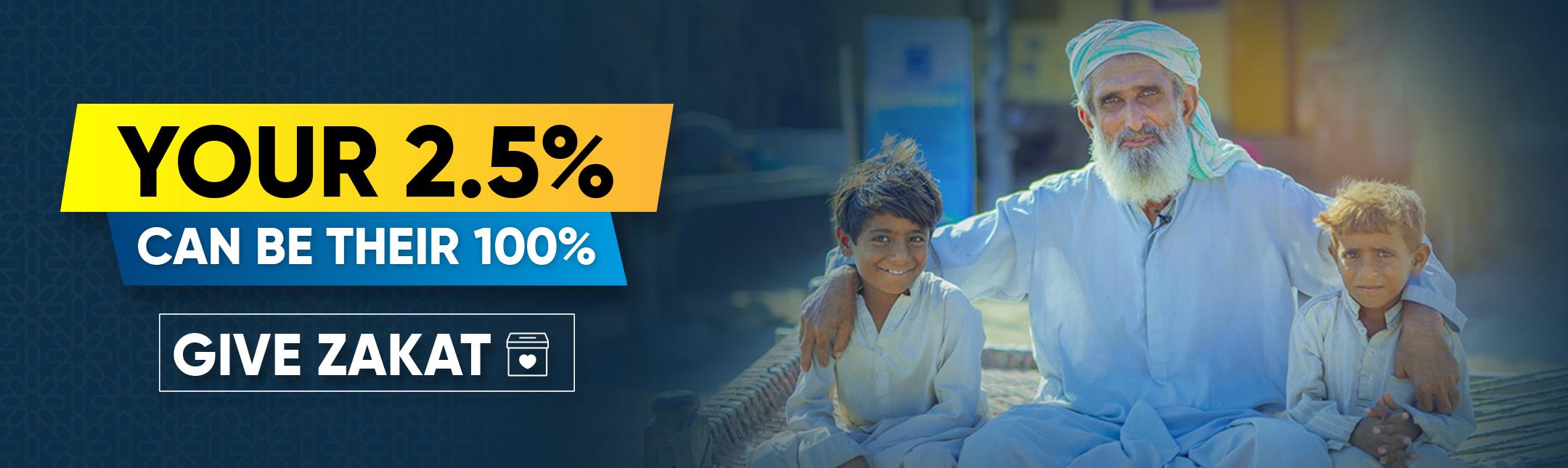
very adult Muslim who possesses wealth above the Nisab threshold for a lunar year is obligated to pay Zakat.
What is Zakat?
Zakat is a compulsory act of charity in Islam, designed to support the poor and those in need. Every adult Muslim who meets the required minimum wealth (Nisab) is obligated to give 2.5% of their qualifying wealth.
Allah says in the Qur’an (Surah At-Tawbah 9:60):
“Zakat expenditures are only for the poor and the needy, and for those employed to collect it, and for bringing hearts together, and for freeing captives and those in debt, and for the cause of Allah, and for the stranded traveler , an obligation imposed by Allah.”
By giving Zakat, you purify your wealth and contribute to a more just and compassionate society.
Give Zakat
The best charity is that given when one has surplus wealth, and the upper hand is better than the lower hand
Custom Amount (PKR)
Zakat-Applicable Projects Changing Lives
Giving your Zakat to Alkhidmat ensures that your contribution reaches those who need it most. Across Pakistan and beyond, millions of people face poverty, displacement, natural disasters, and economic hardship. Through its Zakat-eligible projects, Alkhidmat Foundation distributes your Zakat responsibly to support orphans, vulnerable families, and those struggling to meet their basic needs.
Alkhidmat Academic Scholarships (Annually)
Empower deserving students by covering tuition and educational expenses for a brighter future.
Monthly Orphan Family Support
Provide basic needs and support to orphaned families for a year.
Annual Aghosh Home
Sponsor an Orphan at Alkhidmat Aghosh Home to bright the future of an orphan.
Income Generated Project
Help vulnerable families achieve sustainable livelihoods through small business and income support initiatives.
Monthly Food Pack
Provide essential food supplies to vulnerable families so they can observe Ramadan with dignity and without hunger.
Manual Wheelchair
Restore mobility and independence to individuals with disabilities through the gift of a wheelchair.
Marriage Gift Box
Support underprivileged brides with essential household items to begin their married life with honor and stability.
Hygiene/Dignity Kit
Provide essential hygiene supplies to promote health, dignity, and disease prevention for families in need.
Our Success Stories
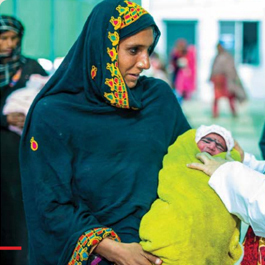
With no proper healthcare nearby, my pregnancy was filled with fear and uncertainty. The opening of Alkhidmat Safe Mother Safe Family Center changed everything for me. I received free, compassionate care and regular checkups from qualified lady doctors. Today, I hold my healthy baby with confidence and hope, and for that, I am deeply thankful to Alkhidmat.
Sakina Bibi, Sindh
Sakina Bibi, Sindh
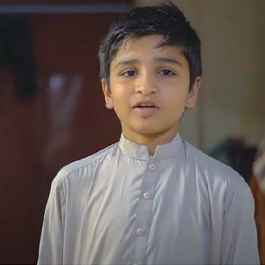
After my father’s passing, my education and hopes for the future began to fade. I felt lost and believed my life had come to a halt. Alkhidmat supported me during this difficult time, helped me regain confidence, and guided me toward a brighter future. Today, I am hopeful and moving forward again. I am truly grateful to Alkhidmat for their support.
Ibrahim Khan – Peshawar, KPK
How to Calculate Zakat?
Use our Zakat Calculator to find out how much Zakat you need to pay.
Step 1: Add your assets (gold, silver, cash, savings, business stock, and investments).
Step 2: Subtract short-term debts and liabilities.
Step 3: If the remaining amount is above Nisab, pay 2.5% as Zakat.
What Is Nisab?
Nisab is the minimum wealth required for Zakat to become obligatory.
Nisab (2025):
- Gold: 85 grams
- Silver: 595 grams
When Is Zakat Due?
- Paid once a year after holding wealth for a full Islamic year (355 days).
- Personal-use items are exempt.
- Businesses pay Zakat on stock and profits.
Where Does Your Zakat Go?
Your Zakat supports orphans, needy families, clean water, healthcare, education, and emergency relief.
“Take from their wealth charity to cleanse and purify them.” Qur’an 9:103
Zakat Calculator
Nisab Threshold
Cash
Gold and Silver
Trade Goods
Liabilities
Net WorthRs. 0
Zakat PayableRs. 0
Ways To Donate
Become Volunteer
Are you looking for an opportunity to make a difference guided by Islamic principles? Become a volunteer with Alkhidmat Foundation and discover the transformative power of volunteerism and change lives.
Cheques & Bank Drafts Collection
You can donate through cheques or bank drafts made out in favour of “Alkhidmat Foundation Pakistan”. To have these cheques picked up from your doorstep, simply call at 0800 44 44 8 or 0304 111 4 222 and Alkhidmat's representative will collect it.
Donate Zakat
Meezan Bank Account Title:
Al Khidmat Foundation Pakistan
Account no. (PKR): 02140101095120 IBAN: PK94MEZN0002140101095120 SWIFT code: MEZNPKKA
Account no. (PKR): 02140101095120 IBAN: PK94MEZN0002140101095120 SWIFT code: MEZNPKKA
Learn Zakat
زکوٰة فرض ہے اور یہ اسلام کے پانچ ارکان میں سے ایک رکن ہے
Himmat Rakho Hum Sath Khary Hy - Zakat Online
Zakat Farz Hai - Urdu
𝐃𝐨 𝐲𝐨𝐮 𝐤𝐧𝐨𝐰? 𝐇𝐨𝐰 𝐝𝐨𝐞𝐬 𝐲𝐨𝐮𝐫 𝐙𝐚𝐤𝐚𝐭 𝐡𝐞𝐥𝐩?
Alkhidmat Orphan Case Study-2023---"Join Hands in Building a Better Future for 20,000 Orphan."
What Is Zakat?
Zakat is a compulsory act of worship and one of the five pillars of Islam. Every adult Muslim who owns wealth above the Nisab threshold for one full Islamic year must pay Zakat to purify their wealth and help those in need.
Zakat in the Qur’an
“Establish prayer and give Zakat.”
— Qur’an 2:43
“Take from their wealth charity by which you cleanse and purify them.”
— Qur’an 9:103
Who Can Receive Zakat?
“Zakat is only for the poor, the needy, those who collect it, those whose hearts are to be reconciled, those in debt, for the cause of Allah, and for the traveler.”
— Qur’an 9:60
Zakat in Hadith
The Prophet Muhammad ﷺ said:
“Islam is built upon five pillars… including giving Zakat.”
— Bukhari & Muslim
Why Zakat Matters
Zakat reduces poverty, supports the vulnerable, and brings blessings to wealth when given sincerely for the sake of Allah.
Zakat FAQs
Who is required to pay Zakat?
Who is eligible to receive Zakat?
Zakat can be given to eight categories of recipients, including the poor, the needy, Zakat collectors, those whose hearts are to be reconciled, those in bondage, the debt-ridden, in the cause of Allah, and wayfarers.
Is Zakat due on personal items like my home or car?
Personal items such as your primary residence, personal vehicles, clothing, and household furniture are generally exempt from Zakat.
When does the Zakat year begin?
The Zakat year starts on the date you first possess wealth above the Nisab. This date remains your annual Zakat due date, regardless of any fluctuations in your wealth during the year.
Can I give Zakat to my family members?
Zakat cannot be given to immediate family members such as parents, grandparents, children, grandchildren, or spouses. However, other relatives in need are eligible to receive Zakat.
Do I pay Zakat on my business assets?
Yes, Zakat is due on business assets, including stock-in-trade, raw materials, and goods produced for sale. However, business premises, machinery, and vehicles essential for the business are exempt.