
Bano Qabil: Pakistan’s Biggest Free IT Program
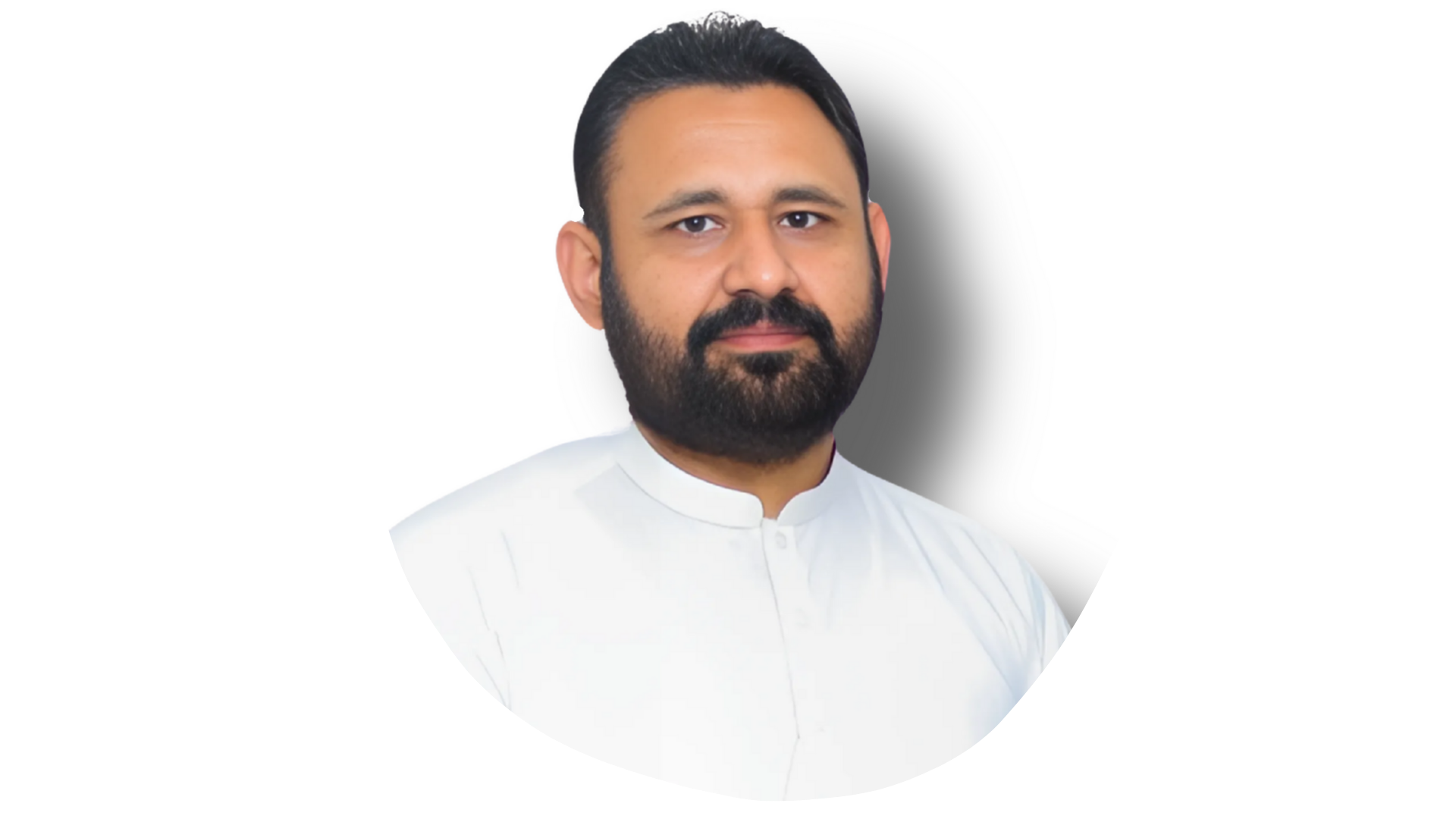
Dr Shakeel Ahmed
Pakistan’s youth bulge has often been framed as a challenge. Alkhidmat Foundation’s Bano Qabil program is making the case that it can be a national asset.
Launched in Karachi in 2022, Bano Qabil has rapidly grown into what is widely regarded as Pakistan’s largest free IT training program, reshaping access to digital skills and economic opportunity. What began as a skills initiative has developed into a nationwide movement linking education, employability, freelancing and entrepreneurship.
Bano Qabil is the dream and vision of Emir Jamaat-e-Islami Pakistan Hafiz Naeem Ur Rehman, which Alkhidmat Foundation turned into reality. Today, the initiative has established centers in 65 cities across Pakistan, transforming free IT education into a nationwide movement.
By 2026, the program has built a network connecting approximately 1.5 million students nationwide, with female participation reaching around 40 percent; a significant marker in a sector where women often remain underrepresented. Through free training in 28 specialized fields, including web development, artificial intelligence, cyber security, e-commerce and digital marketing, the program has positioned itself around market-driven, employment-oriented education.
Bano Qabil’s impact is increasingly measured not simply in enrollments, but in outcomes.
Thousands of graduates have moved from training into freelancing, startups and formal employment, while others have used the skills to build independent digital income streams. Its “learn and earn” model has given the program practical relevance at a time when conventional degrees alone are often insufficient for job markets.
Its expansion has matched that ambition. Today, Bano Qabil operates in 65 cities across Pakistan. In Khyber Pakhtunkhwa 175 centers have been established with centers in Peshawar, Mardan, Charsadda and Nowshera, while some of its most remarkable expansion has taken place in challenging and far-flung districts including North Waziristan, South Waziristan, Mohmand, Swat, Chitral, Dera Ismail Khan, Bannu and Tank. Recently, the largest Bano Qabil entry test was held in Mardan, where more than 40,000 candidates registered and appeared. The overwhelming response reflects the growing trust of young people, who increasingly see Bano Qabil as a pathway to turning their dreams into reality.
The broader significance lies in how Bano Qabil is shifting the development conversation. Rather than treating technical education as a premium service available to a few, the initiative has made digital skills part of a mass-access model.
Its effects extend beyond employability. The program has contributed to digital inclusion by reaching students often excluded from expensive private training. For many participants from low-income and poor backgrounds, Bano Qabil has become a first point of entry into the digital economy.
It has also widened the conversation around women’s economic participation. With roughly 40 percent female enrollment, the initiative has helped create pathways for women into remote work, freelancing and home-based income generation, particularly significant in communities where traditional labor participation barriers remain high.
Equally important is the shift toward entrepreneurship. Increasingly, the program is not framed solely around job-seeking, but around creating digital entrepreneurs and potential job-creators.
If Bano Qabil has become a national movement, Khyber Pakhtunkhwa has emerged as one of its strongest growth centers.
In a province long shaped by underemployment and limited economic opportunity, the program has expanded rapidly from 20 training centers in its initial phase to more than 175 campuses spread across all districts.
That growth is producing measurable outcomes. More than 100,000 students graduated from the program since its inception till 2025 and secured local and online employment opportunities, while tens of thousands have appeared in entry tests for subsequent phases.
For many young people in KP, freelancing and digital work are increasingly being seen not as side opportunities, but as serious economic alternatives.
Bano Qabil is no longer operating only as a social initiative, but as an increasingly recognized skills ecosystem.
Beyond technical skills, Bano Qabil has replaced disappointment with hope. By providing modern, market-oriented education, it is giving Pakistan's Gen Z a positive direction and helping steer young people away from unhealthy activities toward productive careers.
One of the program’s notable strengths in KP has been its emphasis on inclusion.
In Malakand alone, over 10,000 female students participated in entry tests, reflecting growing demand among women for digital education. Similarly, in Mohmand district 300+ female students appeared in the Bano Qabil entry test.
At the same time, the initiative has expanded its social scope through plans for dedicated computer classes for the transgender community and street children along with programs designed for juveniles and prisoners in Peshawar, extending the idea of digital empowerment to groups often excluded from mainstream opportunity structures.
That makes Bano Qabil more than an IT program. It is becoming a social mobility platform.
Pakistan’s unemployment debate often centers on job shortages. Bano Qabil addresses a different side of the equation, employability.
Its model rests on a simple but powerful proposition: equip youth with market-relevant skills, connect them to earning pathways, and allow digital opportunity to become a driver of economic growth.
Its success also highlights the potential of community-driven initiatives and public-private partnerships to respond where traditional systems struggle to move at scale.
The program's long-term sustainability, however, requires broader national support. The business community and well-off members of society can strengthen this initiative by establishing computer labs, donating computers and creating opportunities for graduates. Investing in skilled youth today will contribute to a stronger digital economy tomorrow.
As Alkhidmat expands its network and continues evolving its curriculum for a global digital economy, Bano Qabil is doing more than teaching coding, design or freelancing.
It is building human capital.
And in Khyber Pakhtunkhwa, where development conversations often focus on roads, industry and infrastructure; the program is making a powerful argument that skills themselves are infrastructure.
That may be its biggest contribution. Not simply producing IT graduates, but helping build a more strong, productive and prosperous Pakistan.
Bio. Alkhidmat has acted efficiently and provided help to victims of disasters whether that was the recent 2022 Pakistan flood or the 2005 earthquake in Kashmir.
show more
It is a long established fact that a reader will be distracted by the readable content of a page when looking at its layout.
It is a long established fact that a reader will be distracted by the readable content of a page when looking at its layout.